Fabric Weight and GSM
Available references cover lightweight fabrics around 30–150 GSM, medium-weight fabrics around 150–350 GSM, and heavier fabrics above 350 GSM.

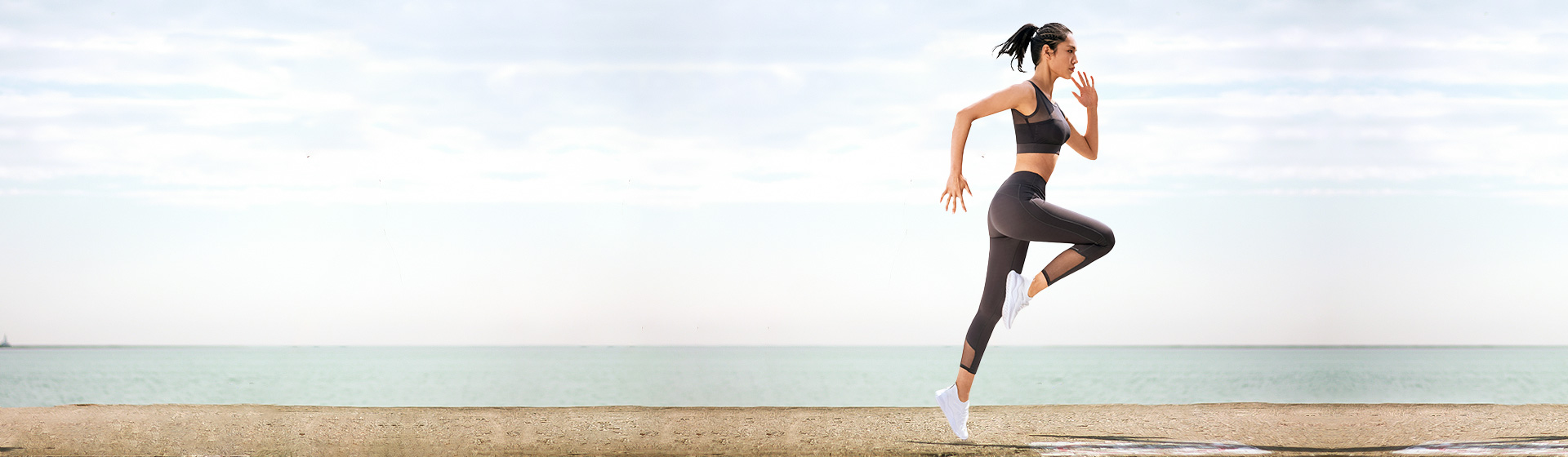
Develop your collection from a design, tech pack, original sample, size chart, or selected catalog style, with support for fabrics, colors, fit, logos, labels, and private-label packaging.
Choose composition, weight, hand feel, color, and functional properties according to the garment and performance requirements.
Available references cover lightweight fabrics around 30–150 GSM, medium-weight fabrics around 150–350 GSM, and heavier fabrics above 350 GSM.
Documented options include stretch, quick-dry, breathable, moisture-managing, moisture-wicking, comfortable, durable, wrinkle-resistant, compression-support, soft-touch, and seamless fabrics.
Complete the product with brand labels, care labels, hangtags, barcode or UPC stickers, packaging bags, logo artwork, patterns, and private-label packaging.
Select a documented decoration method according to the garment, artwork, placement, and required finish.
Suitable for hoodies, sweatshirts, tracksuits, T-shirts, and tank tops.
Available for sports bras, leggings, T-shirts, tank tops, and shorts.
Suitable for T-shirts, tank tops, hoodies, shorts, and tracksuits.
Available for leggings, sports bras, activewear sets, cycling wear, and printed sportswear.
Silicone printing is available for leggings, sports bras, compression wear, and training wear, while embossing can be used on waistbands and premium activewear details.
Add brand labels, care labels, woven labels, hangtags, barcode or UPC stickers, and customized packaging bags.
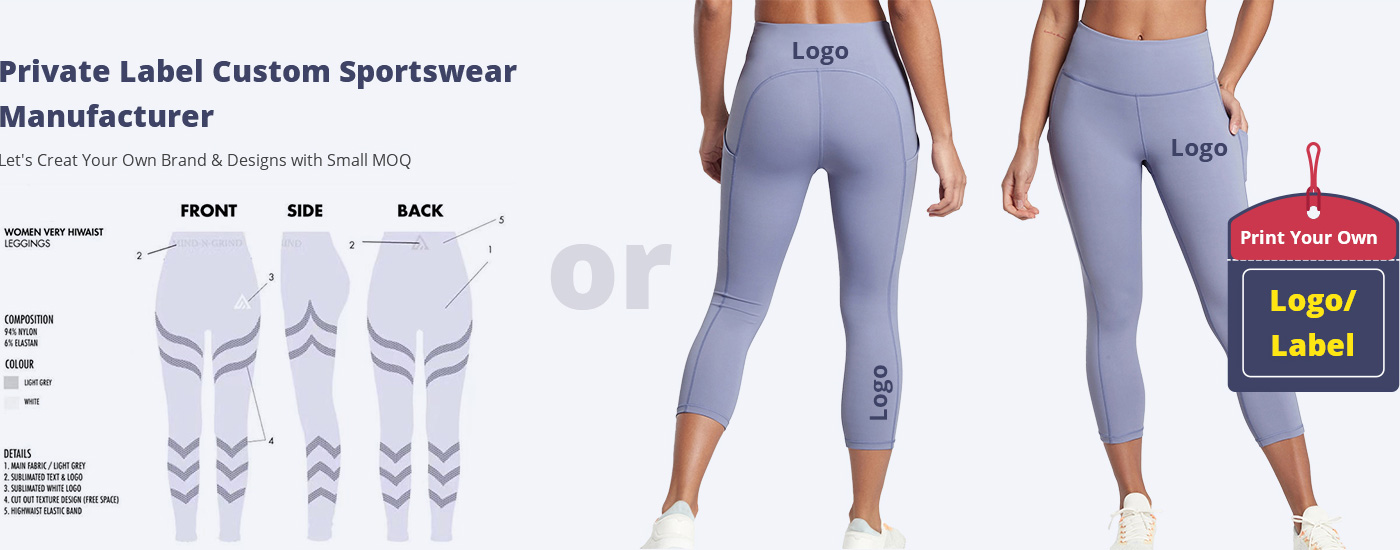
Sizing can be developed around your size chart, target market, measurements, size breakdown, and fit requirements. Supported fit directions include slim, regular, loose, relaxed, oversized, high-waisted, and compression, alongside low-, medium-, and high-support options. Documented structures include racerback, cross-back, adjustable straps, front zip, full zip, zip pockets, and other buyer-specified garment details. Provide photos, drawings, sketches, a tech pack, an original sample, measurements, or revision notes so the team can confirm the pattern, dimensions, and sample. Because no complete regional size chart is documented, final measurements must be confirmed from the buyer’s project information.
Move from an initial concept to an approved sample, bulk production, quality inspection, and delivery.
Share a photo, drawing, sketch, tech pack, reference link, original sample, size chart, logo artwork, fabric requirements, or a catalog style to modify.
Define the construction, composition, GSM, color, fit, sizing, logo technique, labels, packaging, quantities, and required schedule.
Pattern and sample development begins after the design and artwork are confirmed. Sampling usually takes 7–10 business days.
Evaluate fit, measurements, fabric, color, logo placement, and workmanship, then submit any required changes.
Arrange a size sample, photo sample, or pre-production sample when needed, then confirm the final product and production details.
Bulk production usually takes about 25 business days. Inspection, private-label packing, and door-to-door air or sea shipment follow according to the order plan.
For a more accurate quotation, include your product type, design files or reference sample, fabric and fit requirements, colors, size breakdown, logo artwork, branding details, quantities, and deadline.